
THE #1 THING KEEPING
COACHES UP AT NIGHT?
WONDERING, "WHAT IN THE WORLD WENT WRONG?"
A player looks unstoppable in warmups. Then the lights come on, the crowd gets loud, your team falls behind... and you watch that same player crumble right in front of you.
Hesitating. Pressing. Playing like someone who's never been in a big moment before. And the cracks spread.
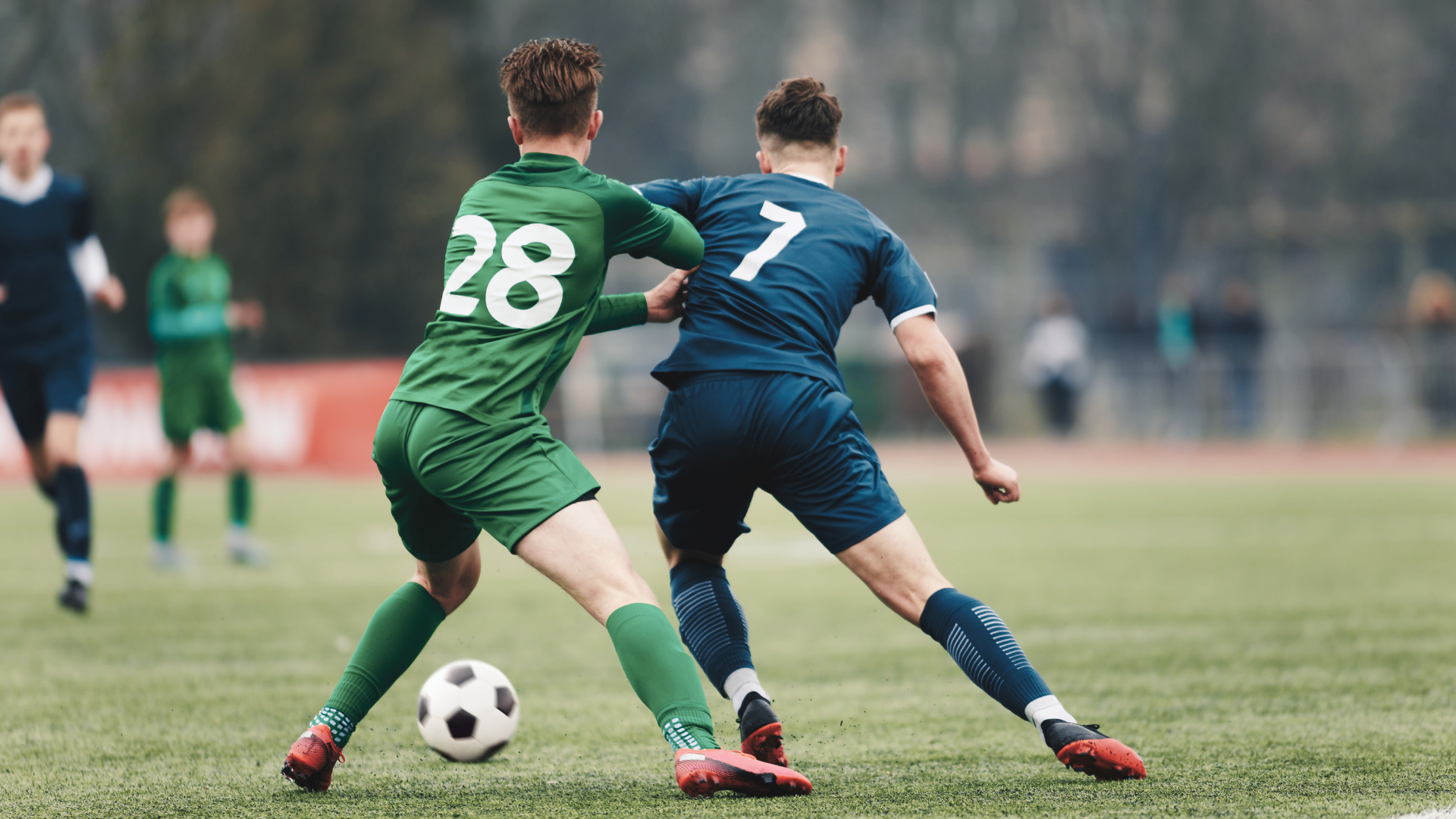
One player tightens up, and suddenly the whole team is playing a half-step slow. Communication slows. Body language deteriorates. You can feel it even from where you're standing: that invisible fault line running through your roster because the pressure has arrived and they can't handle it.
You've had the talks.
You've drawn up the plays.
You've pulled them aside, pumped them up, & tried everything short of a hiring a mariachi band to get them enjoying the sport again.
It's SO frustrating, because you know what they're capable of. You've seen them compete. You just can't get them to do it consistently. Especially when the pressure is on.
Here's the thing nobody tells you when you get into coaching: talent and preparation only take you so far.
What matters in the biggest moments, on the biggest stages, and anywhere worth being? How they respond to that pressure.
The coaches who know how to train that? They're the ones you're watching on the big stage.
WHAT'S REALLY HAPPENING
HINT: IT'S NOT THEIR DRIVE OR THEIR COMMITMENT
You've probably already tried the standard toolkit. Extra reps. Film sessions. The "next play" speech you could deliver in your sleep. Maybe a guest speaker who lit the room up for about 48 hours.
And sometimes it works — right up until game day, or the fourth quarter, or the first time something goes wrong that wasn't in the script.
That's because pressure doesn't create new behavior. It reveals the pattern your players default to when things get hard.

Think about it like this: Michael Jordan didn't become "clutch" by accident. The wiring was in him, but the consistency was trained.
When Phil Jackson brought in Sport Psychologist George Mumford to work with the Bulls, it wasn't because they were broken.
It was because championship-level performance requires something more than standard preparation: and Jackson was way ahead of the curve.
It's SO frustrating, because you know what they're capable of. You've seen them compete. You just can't get them to do it consistently. Especially when the pressure is on.
Here's the thing nobody tells you when you get into coaching: talent and preparation only take you so far.
What matters in the biggest moments, on the biggest stages, and anywhere worth being? How they respond to that pressure.
The coaches who know how to train that? They're the ones you're watching on the big stage.